What we've worked on.
Each of these engagements started with a hard problem and ended with a decision made, a system deployed, or a technology proven.
Each of these engagements started with a hard problem and ended with a decision made, a system deployed, or a technology proven.
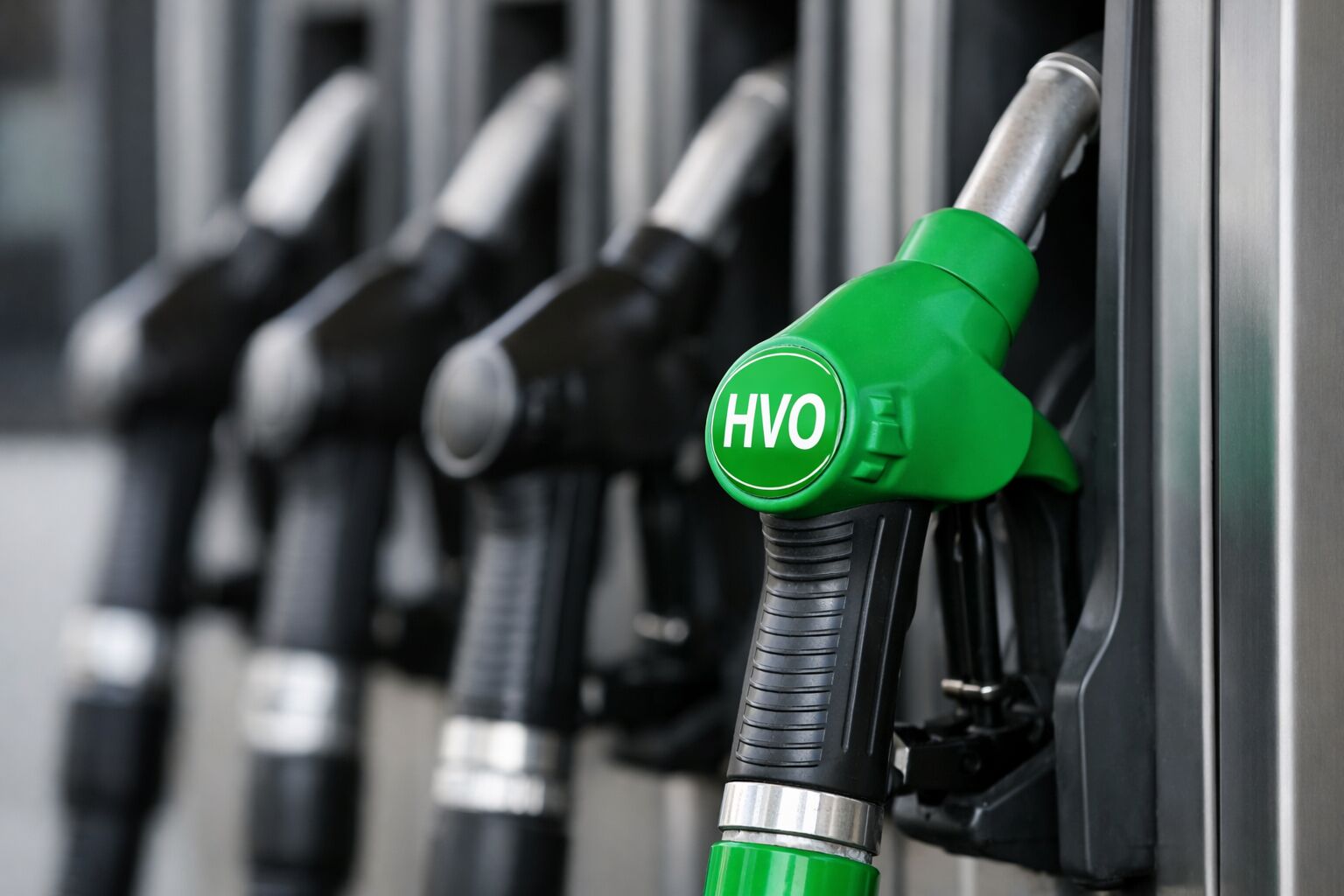
ACCIONA, one of the world's leading infrastructure contractors, has been actively exploring lower-carbon fuel alternatives across heavy construction projects in North America. As the complexity of fuel, emissions, and cost data increased, ACCIONA partnered with Special Teams to better understand how different fuel strategies could be assessed consistently and at scale.
Large earthworks projects generate vast amounts of operational data across multiple equipment types, suppliers, and reporting systems. Transforming that data into clear, decision-ready insight, particularly when evaluating alternative fuels, requires robust structure, traceability, and alignment between operations, sustainability, and finance teams.
ACCIONA's objective was not only to assess current fuel strategies, but to develop a repeatable way to explore future scenarios and inform long-term decisions.
Special Teams supported ACCIONA through a structured, time-bound assessment designed to consolidate disparate fuel and equipment data into a unified analytical framework. Rather than focusing on a single outcome, the work centered on building a flexible methodology that could support multiple use cases, including emissions accounting, scenario exploration, and strategic planning.
The collaboration resulted in a decision-support tool that allows ACCIONA teams to explore how different assumptions, such as fuel pathways, operational profiles, or regulatory environments, can influence emissions exposure and planning considerations over time.
The primary value of the engagement was not a standalone report, but a reusable framework. ACCIONA gained a centralized, transparent way to interrogate complex fuel and emissions data and to test "what-if" questions in a consistent manner across projects.
The approach has demonstrated potential to be applied beyond a single project context, enabling comparative analysis and forward-looking planning across different sites and geographies.
As decarbonization requirements and fuel options continue to evolve, infrastructure owners and contractors will increasingly need tools that support informed, data-driven decision-making without relying on bespoke analyses each time.
This collaboration reflects ACCIONA's focus on building scalable internal capabilities, and Special Teams' role in translating complex data environments into practical decision frameworks for heavy civil operations.
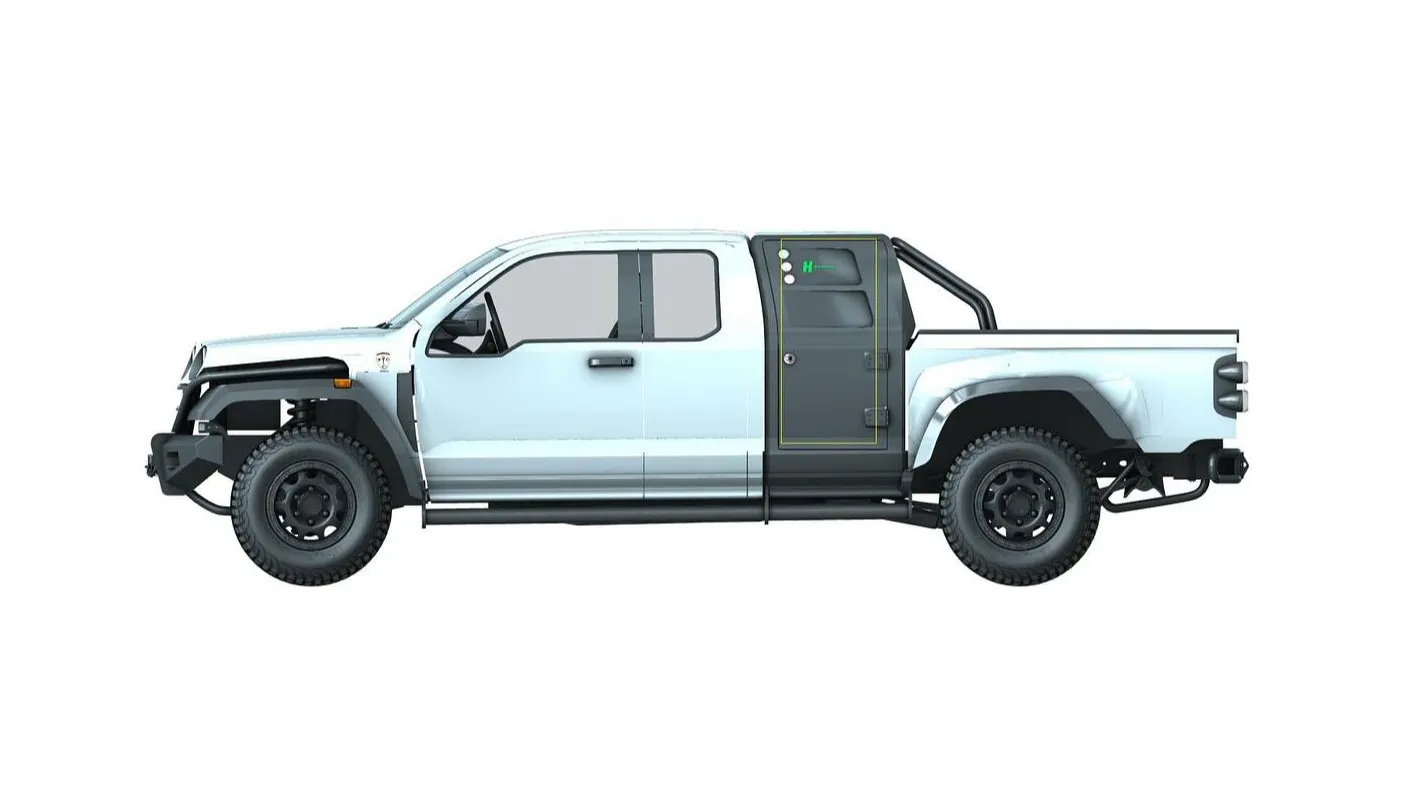
Scuderia Cameron Glickenhaus is building a hydrogen fuel cell pickup truck that can compete with a diesel work truck. They brought in Special Teams to lead the compressed hydrogen storage system (CHSS).
The pickup truck needed to carry enough compressed hydrogen to match the range of a conventional truck: 400 miles on a single fill. That means taking an existing pickup truck chassis and fitting a significant volume of gas stored at high pressure without compromising bed space, ground clearance, or crash safety.
The hydrogen tanks had to be swappable. A crew with a forklift could pull the entire storage system out of the truck and drop in a full one. For this to be possible, the compressed hydrogen storage system (CHSS) had to function as a self-contained module: tanks, valves, regulators, pressure relief devices, piping, sensors, and structural frame, all in a single removable package.
Special Teams partnered with SCG on the CHSS engineering from conceptual layout through detailed design, fabrication support, and verification.
Phase I — Concept: Designed the tank arrangement and vehicle interface requirements to deliver SCG's swappable architecture.
Phase II — Design-Build-Test: Developed the full CHSS design documentation suite: hydrogen P&ID, pressure drop budget, mechanical interface control document, tubing routing details, bill of materials, and DFMEA covering failure modes specific to a swappable high-pressure hydrogen system. Built a verification plan mapping the CHSS against FMVSS 307 and 308 requirements.
The project produced a complete CHSS design for SCG's hydrogen fuel cell pickup. The system packages 400 miles worth of usable hydrogen at 700 bar into a swappable module that can be removed and replaced without specialized fueling infrastructure.
Most hydrogen vehicle programs are inside large OEMs, and none of them have tried a swappable storage system. If the concept works, it changes the refueling math for the operators SCG is focusing on: fleets, farmers, and remote crews who need diesel-like uptime but cannot wait for a hydrogen station network that may never reach them.
"I have worked for decades with top engineering and design companies around the world on highly complex and challenging projects. Of all those firms, Special Teams was at the top of list when I was searching for a technical partner to help create a brand-new type of hydrogen refueling for trucks. They are by far the most incredible team I have worked with when doing something new and technologically challenging that needs to be paired with significant safety and environmental concerns."
Advising on systems engineering approach to accelerate technology adoption in deep mining operations. Identifying where incumbent processes create friction and where new methods can compress timelines for unlocking otherwise infeasible ore bodies.
Nuclear reactor feasibility assessment for data center applications. Heat exchanger technology trade study evaluating competing approaches against site-specific thermal and economic constraints.
Development of a carbon pricing and marginal abatement cost curve tool for oil and gas production. Engagement extended to include geopolitical and economic carbon prediction modeling and served as centerpiece for the company's climate strategy.
Full hardware development for an autonomous aerial platform across electrical and mechanical subsystems: avionics, controls, communications, aeroframe structures, and manufacturing design through to production units. Twelve months from first sketch to fielded hardware.
Mechanical and structural design for a flight-critical subsystem on a next-generation aircraft, including the verification and test plan required for a Critical Design Review milestone under an active FAA certification program.
Site-specific simulation of battery-electric haulage modeling energy consumption, fleet sizing, charging infrastructure, and total cost of ownership across the life of mine. Monte Carlo analysis replaced point-estimate assumptions with probabilistic cost distributions. The model became a living planning tool the client continues to use.

We build physics-based techno-economic models: Monte Carlo simulation, scenario comparison, impact analysis, sensitivity testing across thousands of runs.
When the output underwrites a nine-figure investment, the questions you ask the model matter as much as the model itself. In our experience, simulations get treated as either gospel or guesswork. We build the tool that earns the confidence the decision demands.
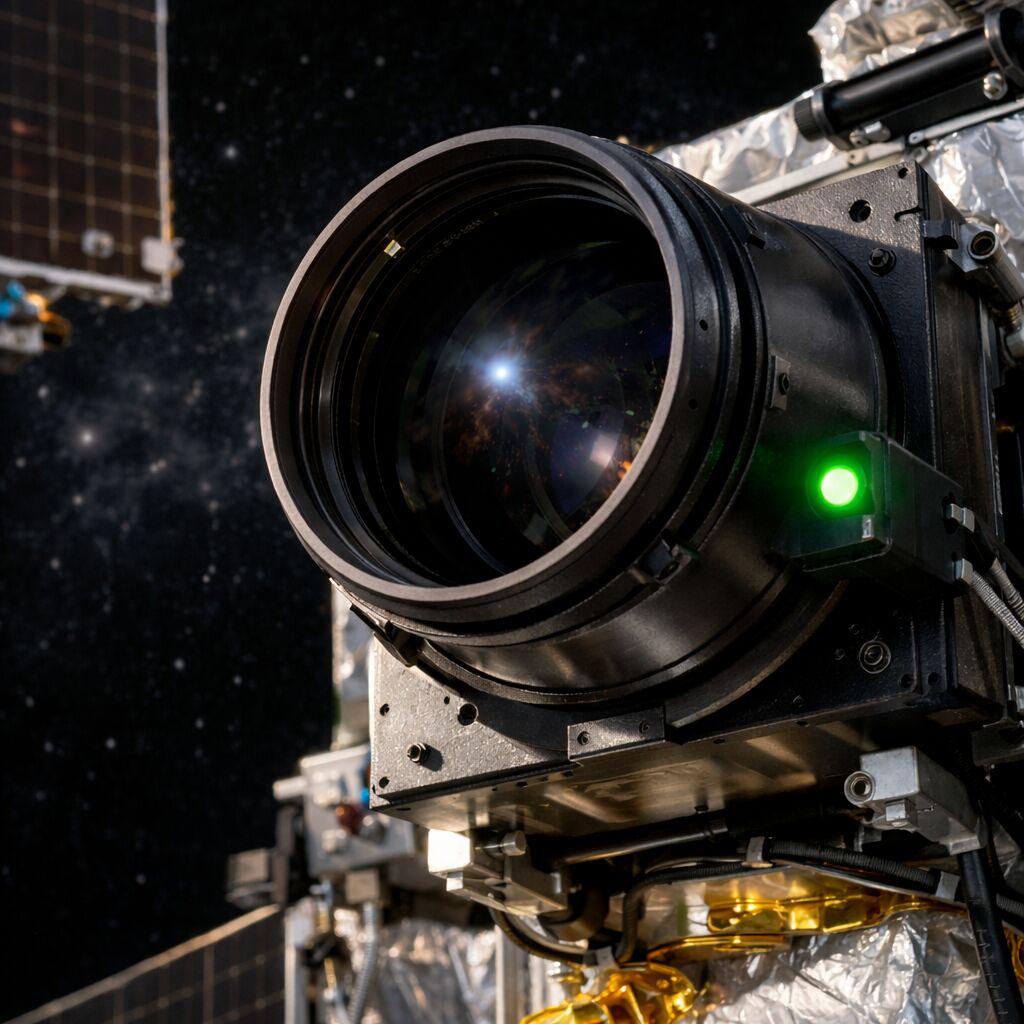
Design-build-test from concept through deployment. We calibrate aerospace-grade rigor to the demands of the project. The result is functional hardware that has been tested, documented, and can handle the conditions it was built for.
Our development plans are derived directly from the success criteria for the solution and the risks associated. This means every dollar we spend is aligned with not only the end goal, but all points along the way.
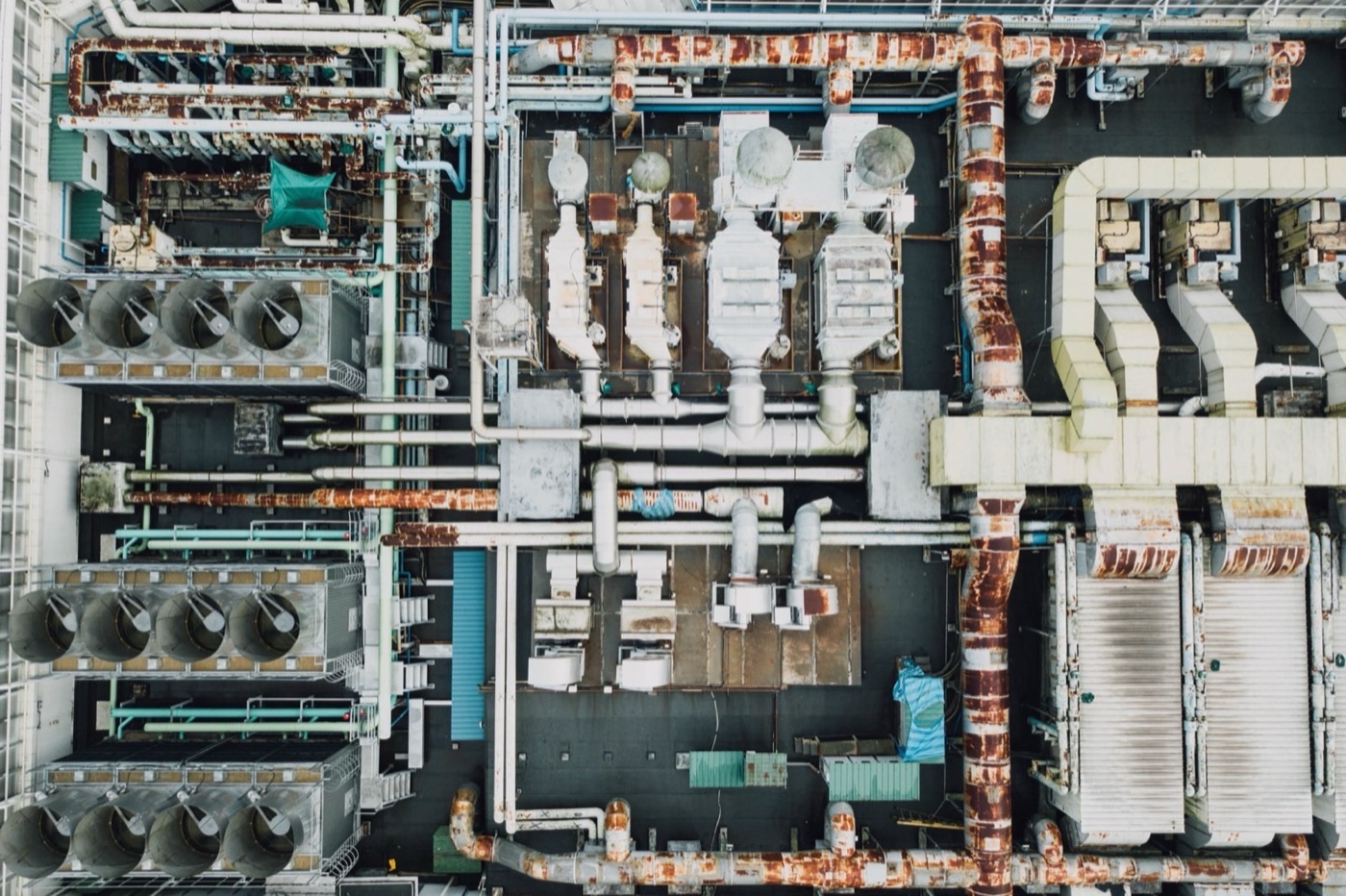
Where a project draws the system boundary can be as important as the system itself. We live at the seams, or where a problem is too complex to live in a single person's brain.
The two easiest stages to skip that we won't: upfront problem definition and iterative reflection.
For multi-disciplinary programs where the hardest part isn't any single subsystem but making all of them work together — we want to be the first call.
Tell us what you're working on. We'll tell you honestly whether we can help, and what the first step looks like.
Want to see more about how we think? See our insights.