How we think is how we work.
Good systems engineering takes process. Great systems engineering takes culture.
Good systems engineering takes process. Great systems engineering takes culture.
The cheapest, fastest path to the right solution starts with defining the real problem. That means tracing a symptom back to its root, or pressure-testing an assumption before committing resources to it. When the problem is specific enough, the solution space shrinks and the economics are easier to measure. A clear problem definition is also a finish line. It tells you what done looks like before you start spending.
If you can't describe the motivation for a given feature or requirement, it might be a distraction. Asking why exposes phantom constraints like "we've always done it this way". It prevents us from building the wrong thing, and it helps us to know if we're still on the right path.
A story is easy to write when you can clearly explain what the system does, how it works, and why it matters. Stories are not only a way to test ideas, they build momentum. Good communication is always worth the effort.
The further a project goes, the more expensive problems get. We seek out issues at the start: broken physics, sequencing conflicts, undefined ownership, optimistic assumptions. We've learned to ask a lot of uncomfortable questions early on, when they cost the least and mean the most.
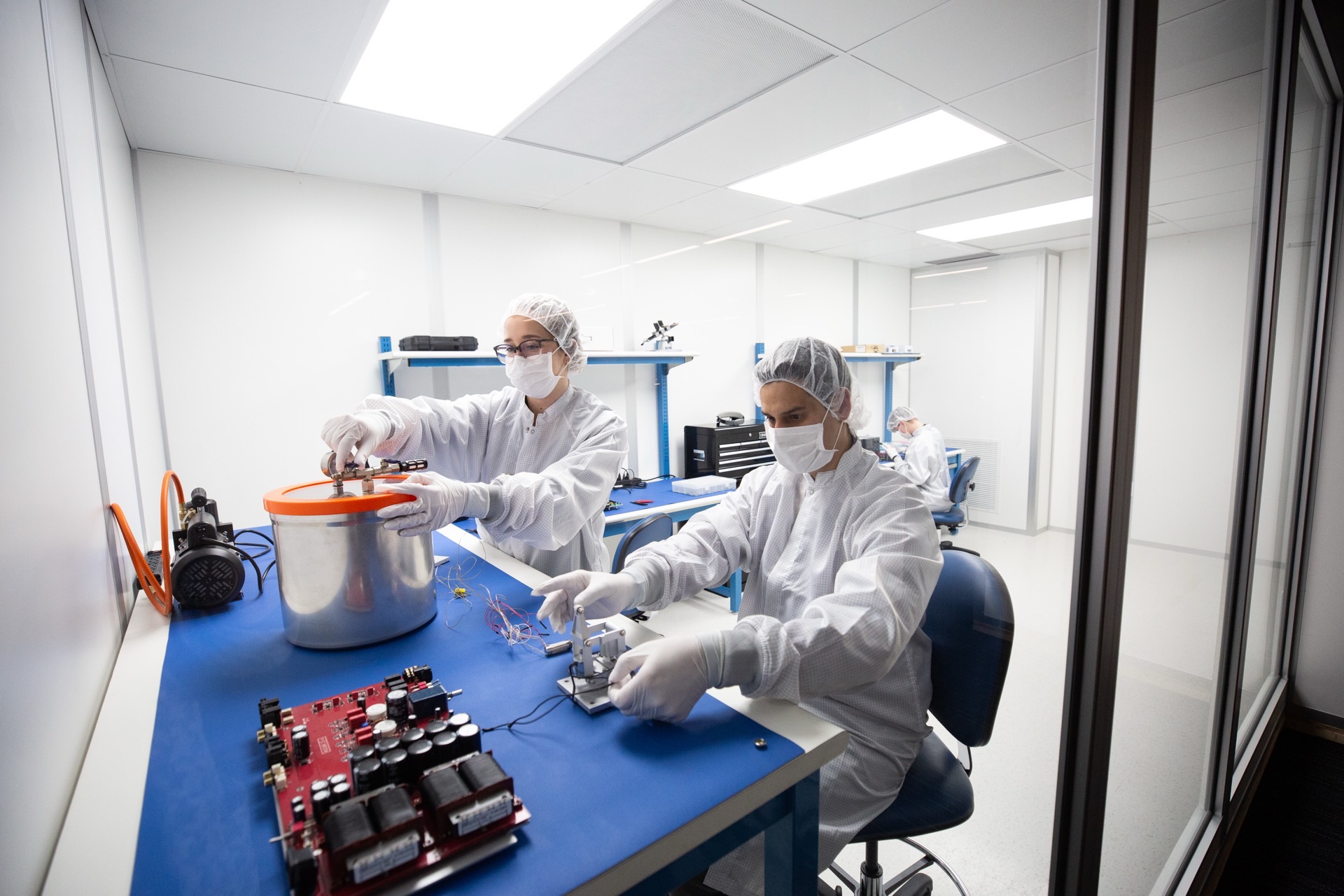
Most consultancies are structurally incentivized to produce recommendations, not implementations. Their business model depends on selling the next phase, not finishing the current one. If the deliverable is hardware, we fabricate and test it. If it's a model, we validate it against real data and hand it over as a living tool you can keep using. We'd rather earn your next problem than extend your last one.
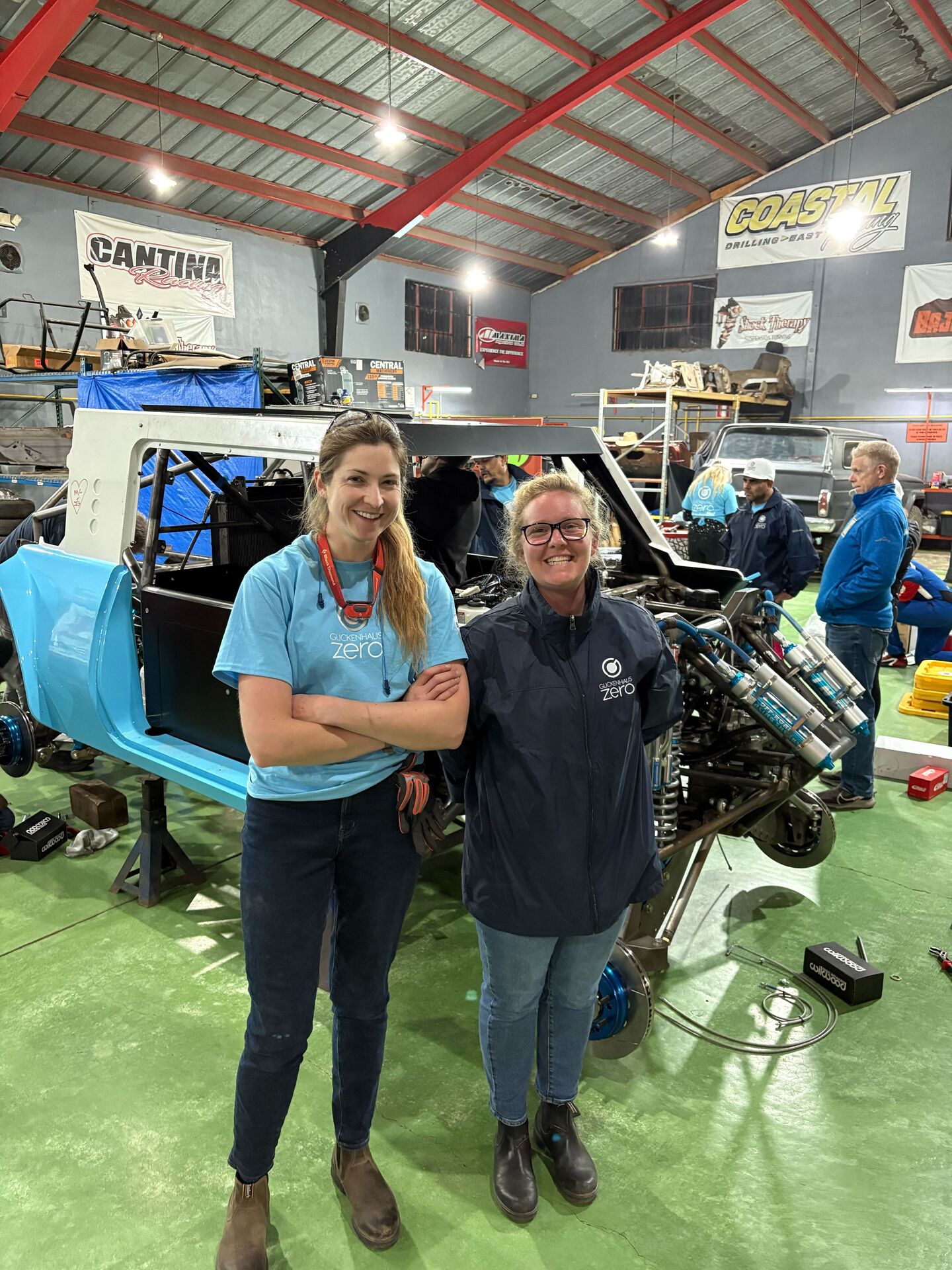
We have no platform partnerships, no downstream implementation revenue, and no incentive to steer you toward a particular answer. If we don't think we're the right fit, we'll tell you. If your solution turns out to be off-the-shelf, we'll help you pick which one to buy. If the analysis says the economics don't close, we'll say so before you've spent another dollar on engineering.
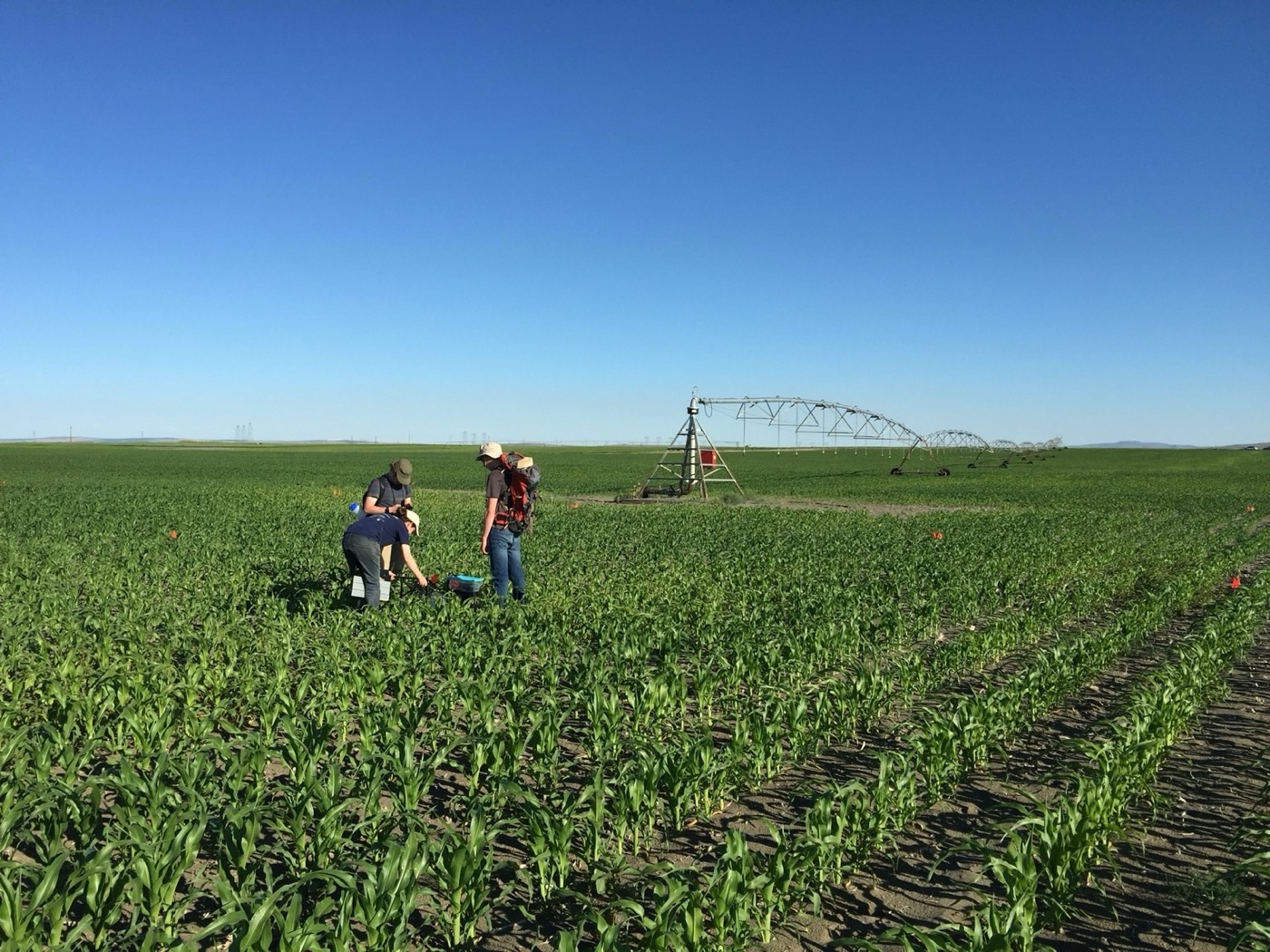
Two weeks at a mine site in Western Australia isn't unusual. We won't build the right thing without understanding who uses it and where it needs to work. We translate operating conditions into technical specifications and design with the end user in mind. The gap between "works in the lab" and "works at site" is where most projects stall, whether the gap is technical or economic. That's where we spend most of our time.
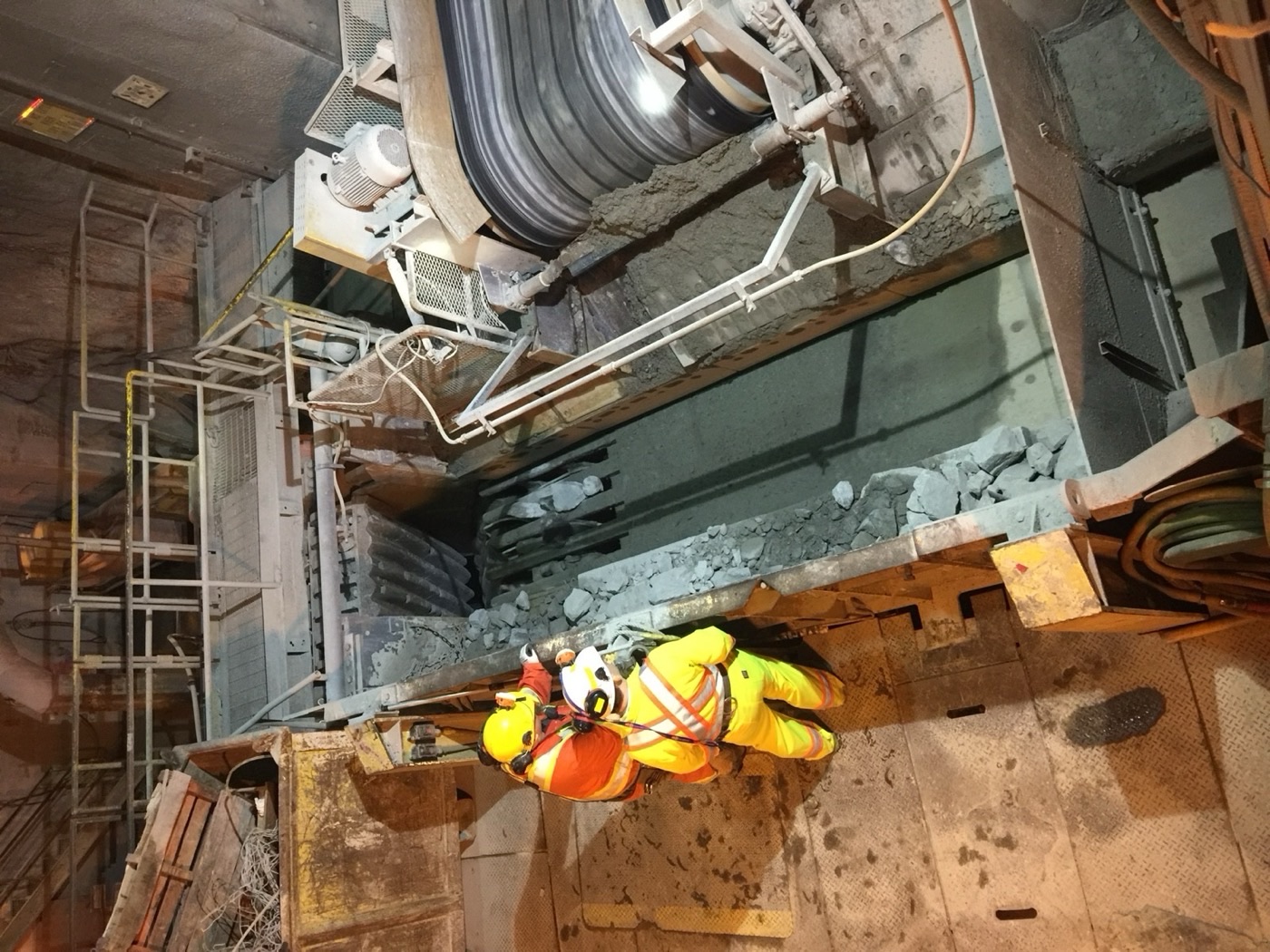
The people drawing on the whiteboard on day 1 will be the same people holding a wrench in the field. There are no junior analysts running the model while a partner checks in quarterly. When you hire Special Teams, you get Special Teams.
Previous project locations

Tell us what you're working on. We'll tell you if it's a Special Teams problem.